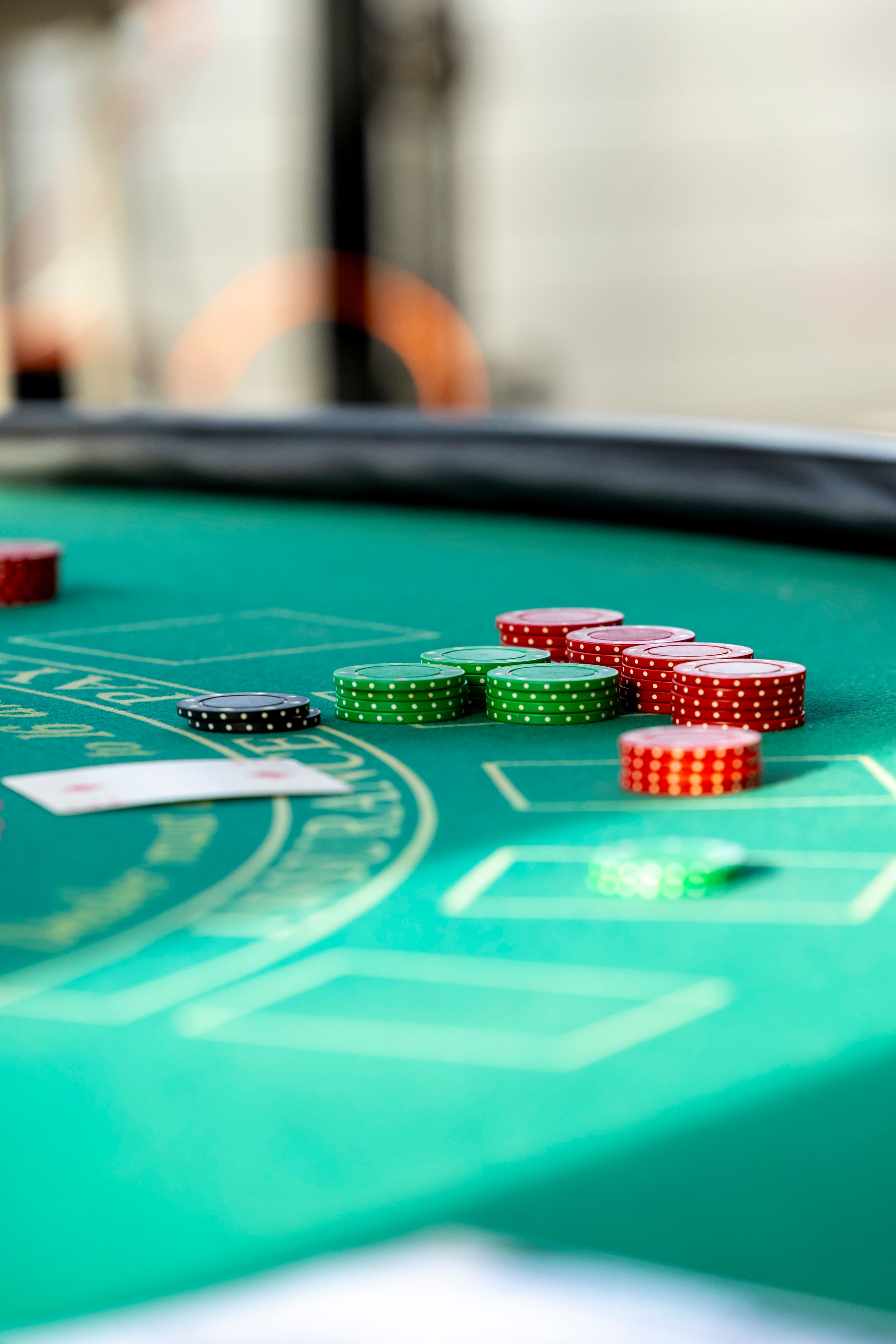
Entering a live casino studio for the very first time, even through a screen, seems like stepping onto a film set. Strong lights, multiple cameras, and trained dealers create an atmosphere that connects a land-based casino floor and a high-end television production. For Austrian players exploring platforms like Mad Casino, grasping what happens behind the camera turns a simple roulette or blackjack game into a more engaging experience. A live casino studio is a purpose-built broadcast environment where real dealers handle real tables in real time, with every card and wheel spin filmed by high-definition cameras and sent to the player’s device. Unlike standard online table games that use random number generators, these studios provide genuine human interaction, from shuffling sounds to the dealer’s spoken welcome. The technology has evolved rapidly, making streams smoother and available on desktop or mobile. Knowing how these studios operate assists beginners select the right tables and place first bets with confidence.
The Structure of a Contemporary Live Studio
A live casino studio is far from one room with a few tables; it is a meticulously designed broadcast facility divided into zones. The main gaming floor contains blackjack, roulette, baccarat, and poker tables set up for clean camera sightlines and consistent lighting. Overhead LED panels set to natural daylight minimize harsh shadows on cards and dealers’ faces. Behind each table, green screens or branded backdrops create the sleek settings players see. A separate control room serves as the nerve centre, where directors adjust angles, audio engineers adjust microphones, and technicians monitor stream stability for players across Europe, including Austria. Many studios also have dedicated close-up tables for game-show titles such as Lightning Roulette, where a wheel or multiplier set becomes the focal point. Floors are sound-dampened and walls acoustically treated so chip clicks and card snaps are heard crisply. This layout demonstrates why the feed looks professional and why dealers rarely seem distracted by off-camera activity.
Camera Tech and Multi-Camera Streaming
The video quality depends on broadcast cameras that do more than focus on a dealer. Each table is commonly equipped with at least three cameras: a wide shot of the full scene, a mid-range shot focusing on the dealer, and a close-up for card values or the roulette wheel’s final slot. These professional cameras stream at 1080p or higher, with optical zoom that captures small card details without losing quality. For Austrian players on lower bandwidth, adaptive bitrate technology modifies stream quality to avoid buffering during peak hours. Some studios use slow-motion replay cameras for game-show titles, letting players relive a multiplier landing or a ball dropping into a pocket. A director transitions between angles in real time, much like live sports broadcasting; when the wheel spins, the feed often transitions to an overhead tracking shot before reverting to the wide angle. This multi-angle approach eliminates doubt about fairness because players view every action from several perspectives.
Licensing, Auditing, and Its Significance for Gamblers
Any licensed live casino studio operates under a gambling licence from a recognised regulatory authority, which governs staff training and the frequency of independent audits. Studios are usually certified by bodies such as the Malta Gaming Authority or the UK Gambling Commission, which enforce strict technical standards. Before a studio launches, its equipment is laboratory-tested to confirm that the GCU, RFID sensors, and optical recognition systems deliver precise and random results. These tests are repeated regularly, and reports are often available through the casino’s website. For a novice, a valid licence means the games are not rigged, dealers are trained, and the operator holds financial reserves for player winnings. It also entails the studio must follow anti-money laundering and responsible gaming rules, such as deposit limits and self-exclusion for Austrian players. Beginners should review the licensing information in the website footer to verify the feeds come from audited, regulated studios.
Grasping live casino studios uncovers an industry built on precision engineering, broadcast expertise, and fair-play safeguards. Any detail, from acoustic wall panels to RFID chips on the felt, fulfills a purpose that helps the player at home. For Austrian beginners, this knowledge supplants mystery with a clear sense of what is being watched and why it can be trusted. The next step is https://archiv.ub.uni-heidelberg.de/volltextserver/34225/1/optimal_binary_two_stage_designs%283%29.pdf to browse the available tables on a trusted platform, beginning with low-stakes games to study studio dynamics without pressure. Take note to how the director cuts between cameras, how the dealer speaks to the lens, and how quickly the interface logs each bet. Observe whether the studio displays licensing details and whether the feed remains stable on the chosen device. Gradually, these observations become second nature and help a player pick tables that fit both budget and comfort level.
Game Show-Themed Studios and Combined Games
One remarkable shift in live casino design is the growth of game-show-style studios that do not look like a traditional casino floor. These spaces include custom-built sets with spinning wheels, oversized dice, and vibrant lighting that conjure a television quiz show. Titles such as Crazy Time, Monopoly Live, and Dream Catcher operate from their own purpose-built environments, often with a standing host who walks around the set. The mechanics combine familiar gambling elements—multipliers, random outcomes, betting rounds—with interactive bonus games on large screens behind the host. For beginners, these games are often more straightforward to approach because the rules are simpler and the visual feedback is immediate. Bright colours, upbeat music, and hosts who clarify each round lessen intimidation. These hybrid studios also show how far technology has progressed, using augmented reality overlays to display multipliers directly on set. When an Austrian player starts a game-show title on Mad Casino, they participate in a produced entertainment experience that includes real-money betting.
In what manner Game Control Units and RFID Maintain Games Fair
Behind every live table is positioned hardware that manages each round: the Game Control Unit, or GCU. Installed near the dealer, this small device encodes the video feed with real-time data that the online platform uses to display bets, settle wagers, and update balances. When a blackjack dealer scans a card, the GCU interprets its value and sends it to the game server, which superimposes graphics showing the rank and suit. In roulette, optical character recognition cameras inside the wheel housing track the ball and instantly identify the winning number. RFID technology offers verification: each chip holds a radio-frequency tag that transmits its denomination and location to sensors in the felt. The system therefore identifies exactly where bets were placed and in what amount, making payout disputes rare. For Austrian players who appreciate transparency, this means every hand and spin is digitally recorded and verifiable, creating an audit trail regulators can review at any time.
The Job of the Table Operator and the Floor Supervisor
Dealers in a live casino studio are skilled performers who perfect game mechanics and on-camera presence. Before going on stream, a dealer invests weeks mastering game rules, chip handling, and table scripts. They speak to the camera directly, making eye contact to forge a personal connection with players in Vienna, Graz, or Linz. Their speech is articulate and controlled, free of slang that might puzzle international viewers, and their hand movements stay open so overhead cameras record every action. A pit boss or floor supervisor operates nearby, supervising game integrity from a station. This less visible figure looks for dealer errors, verifies bet settlements, and can stop play instantly if a technical or procedural issue arises. For beginners, that second set of eyes provides reassurance that payouts are accurate and rules are followed. Some studios also have chat moderators who communicate player questions and ensure the conversation friendly.
Mobile Optimization and the User Interface
Live casino studios create their broadcasts with mobile players in consideration, recognising that numerous Austrian users access from smartphones and mobile devices madcasino.or.at. The on-screen player interface should be touch-friendly, with clearly spaced betting chips, a adaptive bet grid, and controls sufficiently large to tap without zooming. Broadcast camera positioning ensures key action—dealer’s hands, wheel, cards—centered so it does not appear confined on a six-inch display. The streaming technology utilises methods that limit data consumption while preserving image quality, which matters for mobile data plans. Live chat, game history, and responsible gaming tools are placed in expandable menus that do not obscure the live feed. Several sites provide a landscape-mode interface for live games, corresponding to the studio’s broadcast format. Newcomers should be aware the identical stream reaches desktop and mobile players concurrently, and the dealer cannot tell whether someone is on a laptop or a phone. The interface adapts to the device.